
Newsletter
Join the Community
Subscribe to our newsletter for the latest news and updates
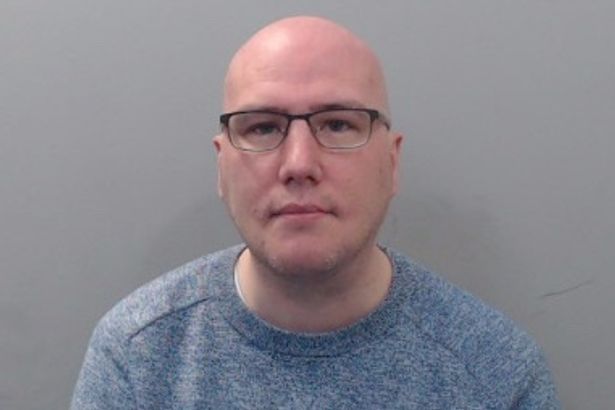
A 44-year-old Belfast man has been sentenced to 20 years for a series of child abuse offences against three young victims. Police and community representatives have praised the immense bravery of the survivors who came forward. Support details have been provided for anyone in our community affected by these issues.
2026/06/12
A 44-year-old Belfast man, Neil Jackson, has been sentenced to 20 years for a series of child sexual abuse and cruelty offences. The sentence, delivered today, consists of 10 years in custody followed by 10 years on licence. Jackson has also been placed on the child sex offender's register for life. He was convicted of 45 offences against three young victims—two girls and one boy—aged between five and thirteen. The charges, which spanned a five-year period, included the rape of a child under 13, common assault, and child cruelty.
Detective Superintendent Kerry Brennan commended the exceptional courage and resilience of the three young victims throughout the investigation and subsequent court proceedings. Brennan stated that Jackson's predatory and manipulative actions caused prolonged trauma, and hoped this conviction would encourage other victims of abuse to come forward, reassuring the public that the police remain committed to protecting children and holding abusers accountable.
In an anonymous statement, one of the young female victims shared the profound difficulty of speaking out after carrying the burden in silence. She expressed relief that Jackson has finally been held accountable, describing him as a predator who manipulated her at a vulnerable age. She thanked those who supported and believed her, expressing hope that her story would show other survivors that they are not alone and that support is available.
Our community stands together in safeguarding the vulnerable and supporting survivors of abuse. If you or someone you know has been affected by sexual abuse, you can report concerns to the police by calling 101, or 999 in an emergency.