
Newsletter
Join the Community
Subscribe to our newsletter for the latest news and updates
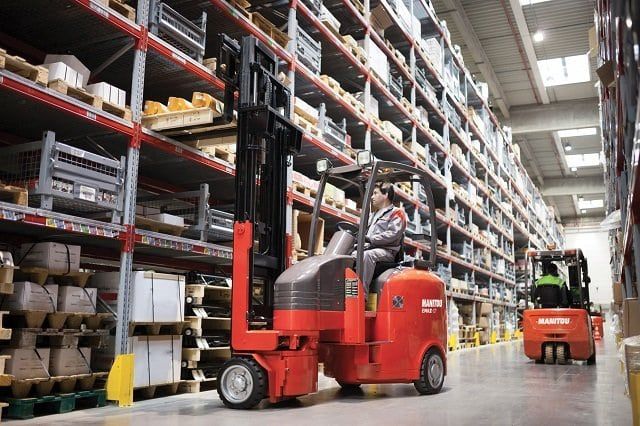
Ensuring safety in North Belfast workplaces, particularly where heavy goods are stored, is paramount. This guide highlights the critical importance of proper warehouse racking management to prevent accidents and protect staff. Discover key practices like regular inspections and staff training that help maintain a secure and compliant storage environment.
2026/01/06
For many businesses here in North Belfast, warehouse racking systems are the backbone of their operations, designed to safely store countless heavy items. However, their reliability hinges entirely on correct use and diligent oversight. In the hustle and bustle of our local warehouses, racking is constantly exposed to movement from forklifts, pallet trucks, and manual handling. Without proper management, what might seem like minor issues can quickly escalate into serious safety hazards.
One of the most frequent culprits behind racking failure is impact damage. Even a seemingly small bump from a forklift or pallet truck can weaken the structure of uprights or beams. It’s easy for repeated, low-level impacts in busy areas to go unnoticed, but over time, this insidious damage significantly reduces the racking's crucial load capacity.
Overloading presents another significant risk. This often occurs when stock weights increase without a corresponding review of the racking's original load ratings. It’s vital for North Belfast businesses to always be aware of the maximum weight their racking can safely hold.
Here in the UK, warehouse operators have a clear legal responsibility to maintain safe storage systems. Under the Health and Safety at Work Act, employers must take all reasonable steps to prevent risks to their employees and visitors. This includes ensuring all racking is fit for its intended purpose and consistently maintained in a safe condition. The Health and Safety Executive (HSE) specifically expects racking to be regularly inspected, with any damage carefully assessed and managed without delay.
Daily or weekly visual checks, carried out by properly trained staff, are a fundamental part of maintaining racking safety. These vital inspections should focus on the condition of uprights, the alignment of beams, the security of locking pins, and the stability of floor fixings. Any visible damage must be reported and addressed swiftly, with affected bays offloaded immediately if safety is compromised. Having clear reporting procedures in place ensures that no issues are overlooked, even during the busiest periods in our local businesses.
Beyond internal checks, UK guidance strongly recommends an annual inspection by an independent, competent external inspector. A professional racking inspection offers an unbiased assessment of the racking's overall condition and can pinpoint risks that might not be apparent during routine internal checks. These expert inspections often utilise a damage classification system, which helps businesses prioritise repairs and manage risks more effectively.
Training is absolutely crucial in maintaining safe racking. Forklift operators, for example, need to fully understand load limits, the correct way to place pallets, and the critical importance of avoiding contact with the racking structure. All warehouse staff should feel empowered and encouraged to report any damage as soon as it's identified, without fear of blame or delays. Clear signage, prominently displaying load capacities and safe working practices, helps promote consistent safe behaviour across all shifts in a warehouse.
Finally, racking safety should always be reviewed whenever there are changes to stock profiles, types of pallets used, or handling equipment. What was perfectly suitable when the racking was first installed might no longer be appropriate if loads become heavier or operations evolve. Keeping accurate inspection records and maintenance logs is not just about demonstrating compliance; it also supports better long-term decision-making for the safety and efficiency of North Belfast businesses.