
Newsletter
Join the Community
Subscribe to our newsletter for the latest news and updates
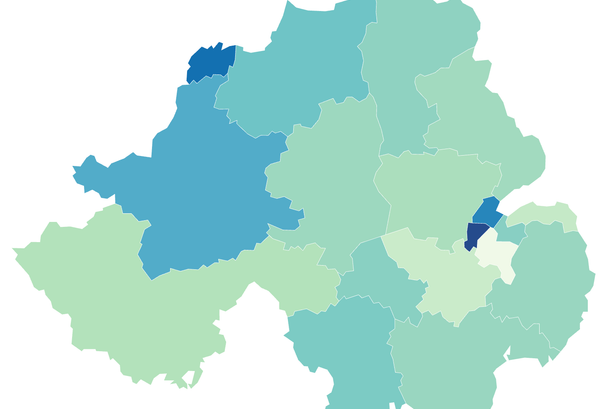
New figures show that one in six people in Belfast North currently claim Personal Independence Payment (PIP), making it the third-highest area in Northern Ireland. Mental health conditions account for nearly half of all claims across the region, which has seen a 49% increase in awards over the past five years.
2026/08/14
Around one in six residents in North Belfast is now receiving Personal Independence Payment (PIP),
Across the region, almost 230,000 people were receiving the support as of February 2026—representing a 49% increase over the past five years. Belfast North ranks third among all Northern Ireland constituencies, with 16.7% of local residents claiming the benefit. Belfast West recorded the highest proportion, where 21,650 people (21%) receive PIP, followed closely by Foyle at 18.3%.
Across the wider UK, the average proportion of people claiming PIP stands at 11.9% (roughly one in nine), meaning people in Northern Ireland remain significantly more likely to require the benefit than those living in Great Britain.
A primary driver behind the regional rise is the increasing number of claims related to psychiatric conditions, including depression, anxiety, and PTSD. Mental health conditions now make up 46% of all PIP awards in Northern Ireland. Musculoskeletal issues—including degenerative conditions like arthritis and chronic pain syndromes such as fibromyalgia—form the second-largest category, followed by neurological conditions including Multiple Sclerosis and Parkinson’s disease.
The rising figures come amid intense discussions around the future of welfare support. Public commentary has drawn debate, including recent remarks by broadcaster Jeremy Clarkson criticising payments for neurodivergent and mental health conditions. In response, disability advocates have reiterated that PIP is a non-means-tested benefit designed to cover the additional daily living and mobility costs associated with long-term illness or disability, rather than acting as an income replacement. In many cases, the payment funds essential support like adapted transport and personal care, allowing claimants to stay in employment.
At the same time, the administration of the benefit has faced sustained scrutiny. An independent review recently deemed the current disability benefit system "no longer fit for purpose." Meanwhile, the independent Timms Review, chaired by disability minister Sir Stephen Timms, reported that the PIP application process causes severe distress and often "breaks" applicants. A full report outlining potential system reforms is due next year.
Prime Minister Andy Burnham has indicated plans for substantial change to welfare and social care, aiming to reduce the overall national welfare spend while avoiding placing blame on claimants. Proposed measures include stronger in-work mental health assistance and guaranteed opportunities for young people.
Because Northern Ireland operates under the principle of social security parity, any major structural reforms legislated at Westminster will directly impact the funding and service delivery managed locally by Stormont's Department for Communities.