
Newsletter
Join the Community
Subscribe to our newsletter for the latest news and updates
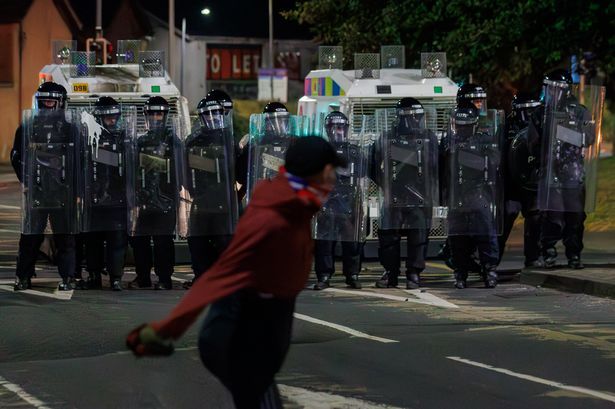
A local 15-year-old has opened up about how boredom, social media, and peer pressure led him to participate in street disorder last summer. Speaking to the non-profit Voicing the Void, he reflects on the reality behind the excitement and why he now views his actions as pointless.
2026/06/28
A North Belfast teenager has bravely shared his experience of getting caught up in street disorder last summer, shedding light on how social media, boredom, and peer pressure influence local youth.
Speaking under the pseudonym 'George' to protect his identity, the 15-year-old worked with the non-profit organisation Voicing the Void to explain how easily young people in our community can find themselves in the middle of a riot. He described a cycle of following the crowd, often without understanding the long-term consequences until it is too late.
He explained how quickly things escalate online: "Someone puts something up on Snapchat—a video, a picture, something happening somewhere. People screen record it, send it on, and before you know it, everyone’s talking about it. You don’t really think too much about it. You just go."
While the initial atmosphere can feel charged with anticipation, George admits that the reality is often far less exciting, frequently consisting of "standing around watching things burn." He recalled how tension builds as crowds gather, roads are blocked, and police arrive, but noted that most of the time, the experience is ultimately boring and pointless.
The consequences, however, are very real. George highlighted the danger to innocent bystanders, such as drivers caught in the chaos, and pointed out that police use drones and cameras to identify people long after the disorder ends, leaving young people with lasting records.
Reflecting on his actions a year later, George’s perspective has completely changed. He now views the disorder as pointless destruction where nothing is gained, and hopes that by sharing his story, other local youth will think twice before following the crowd. He suggests that open communication within the community would be far more effective than violence.